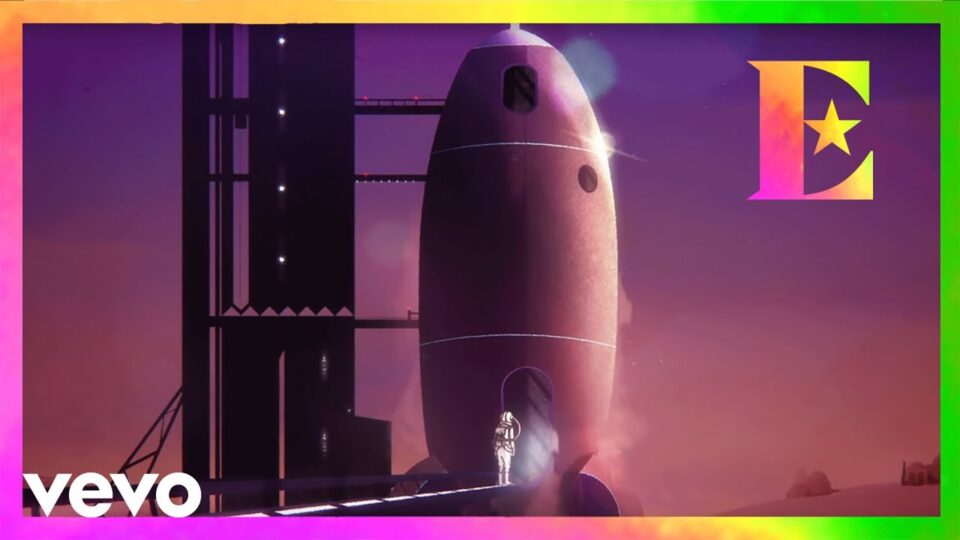
Elton JohnRocket Man
Directed by David Nutter
Rocket Man is a song by Elton John from his album "Honky Château," released in 1972. The song features rock and pop elements with space-themed…


Directed by David Nutter
Rocket Man is a song by Elton John from his album "Honky Château," released in 1972. The song features rock and pop elements with space-themed…
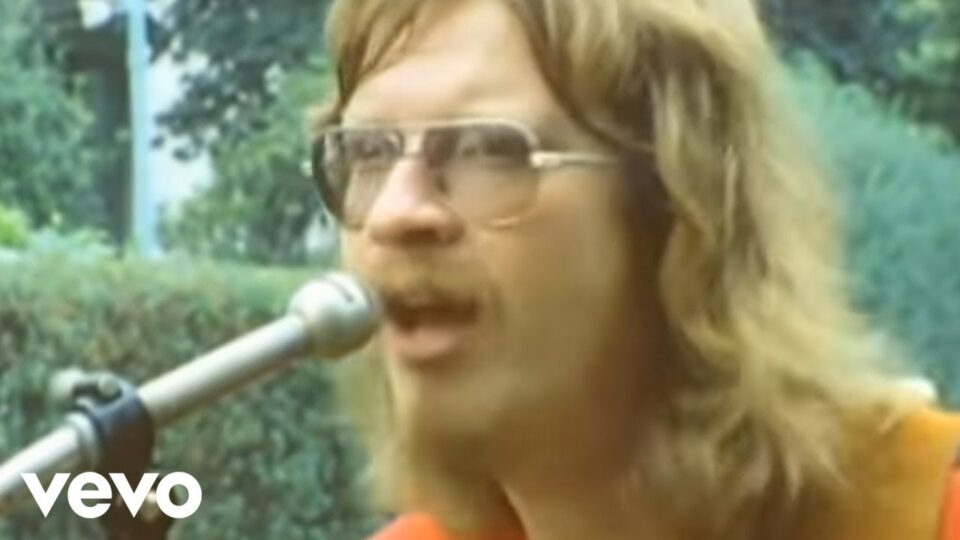
Ram Jam's iconic rock song 'Black Betty,' released in 1977, is known for its energetic rhythm and has become a classic in rock music history.…
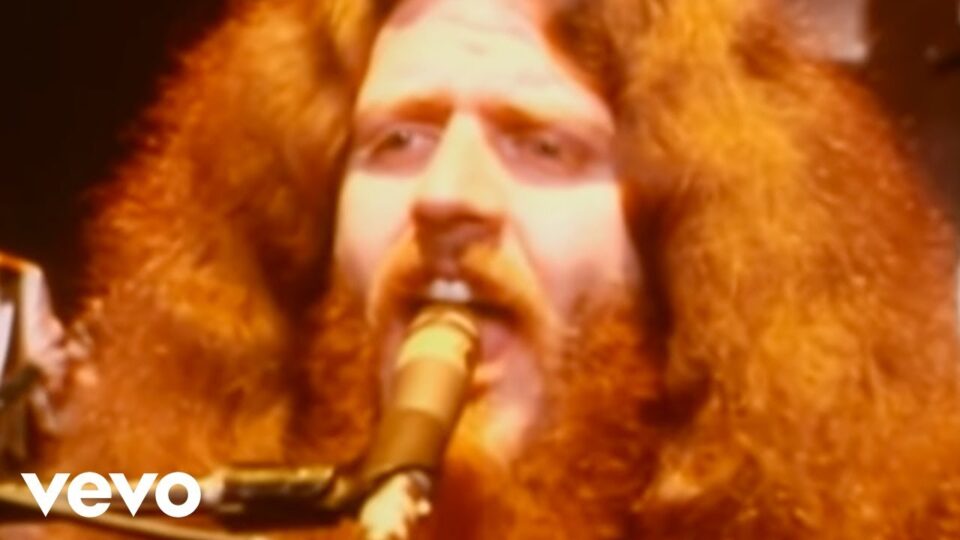
Gordon Lightfoot's "Sundown" is a quintessential folk-rock track that delves into themes of jealousy and romantic turmoil. Released on March 25, 1974, as the lead…
Kansas' 'Carry On Wayward Son' is a classic rock anthem known for its powerful guitar riffs and memorable lyrics. Released in 1976, this song is…
Directed by John Lennon, Yoko Ono
ABOUT IMAGINE John: ‘Imagine’ is a song conceived in my head without melody. The first verse came to me very quickly in the form of…
Instant Karma! is a powerful solo track by John Lennon about responsibility and universal consequence. The original “Top of the Pops”-style video features stark studio…
Directed by Scott Garen
The “Don't Go Breaking My Heart” video was shot all in one take with a three-camera setup by Mike Mansfield. During the instrumental section, Elton…
Directed by Eric Idle
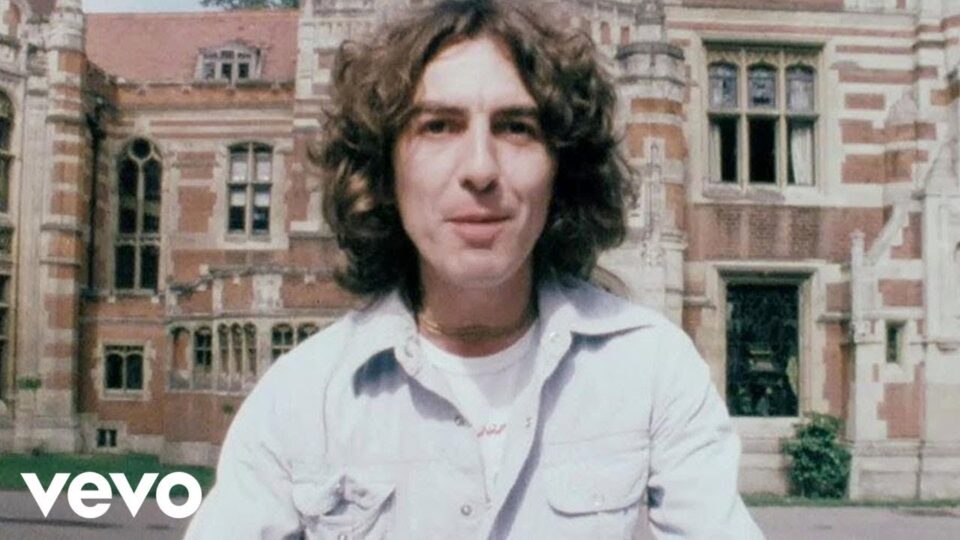
Crackerbox Palace is a whimsical track from George Harrison's 1976 album “Thirty Three & 1/3”. The song was inspired by a visit to comedian Lord…
Directed by Brian Grant
Hot Stuff is a song by Donna Summer from her album "Bad Girls," released in 1979. The song features disco and rock elements. The music…
Directed by Bill Ward
Paranoid is a song by Black Sabbath from their album of the same name, released in 1970. The song features heavy metal elements and intense…
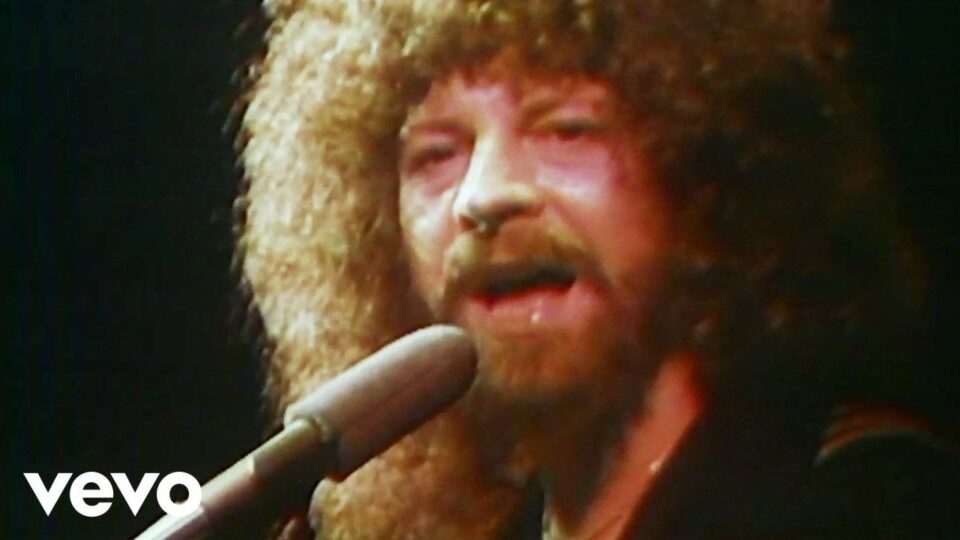
Mr. Blue Sky is a song by Electric Light Orchestra (ELO) from their album "Out of the Blue," released in 1977. The song features rock…
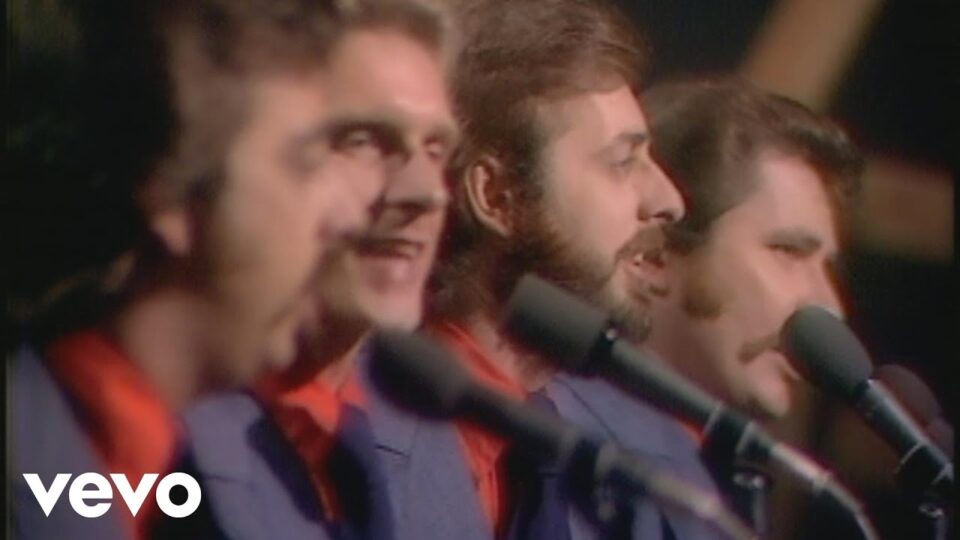
A live rendition of their classic hit, The Statler Brothers deliver a captivating performance of "Flowers on the Wall" during the "Man in Black: Live…
Man in Black is a song by Johnny Cash, performed live in Denmark in 1971. This performance was part of a concert broadcast on Danish…
Directed by David Mallet
Rebel Rebel, released on February 15, 1974, is a glam rock anthem from David Bowie's album “Diamond Dogs”. The song is celebrated for its iconic…
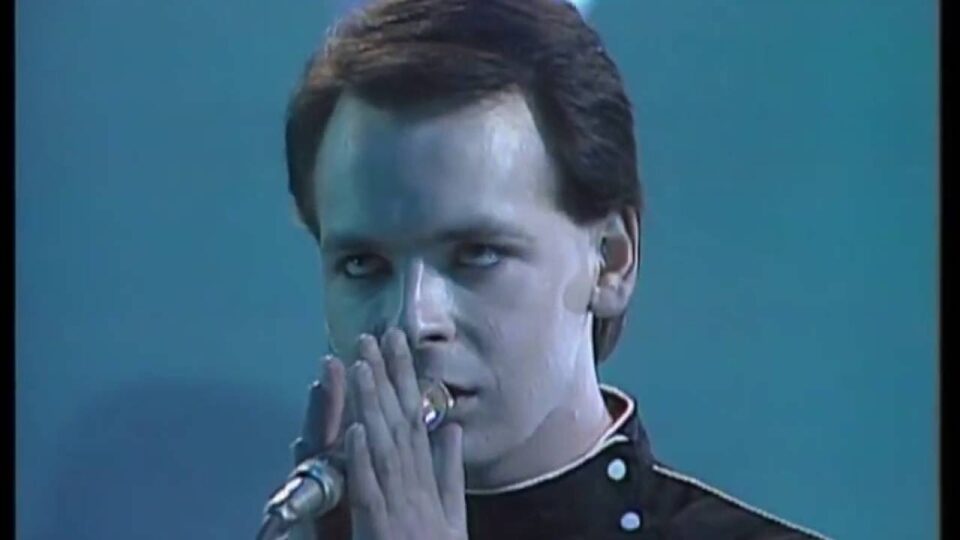
Are 'Friends' Electric? is a song by Gary Numan, released in 1979. The song features electronic and new wave influences. The music video includes futuristic…
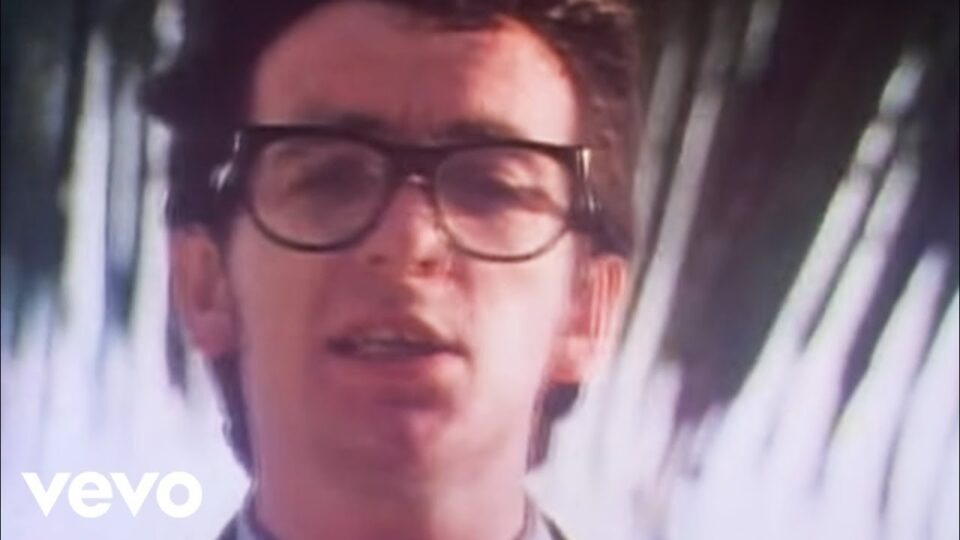
Directed by Chuck Statler
Oliver's Army by Elvis Costello & The Attractions is the lead single from their third studio album "Armed Forces," released on January 5, 1979. Written…
Directed by Julien Temple
Released in 1979, 'I Fought the Law' is The Clash’s cover of the classic rock and roll song, originally by The Crickets. Their punk rock…
Rapper's Delight is a song by the Sugarhill Gang, released in 1979. The song is considered one of the first hip-hop hits. The music video…
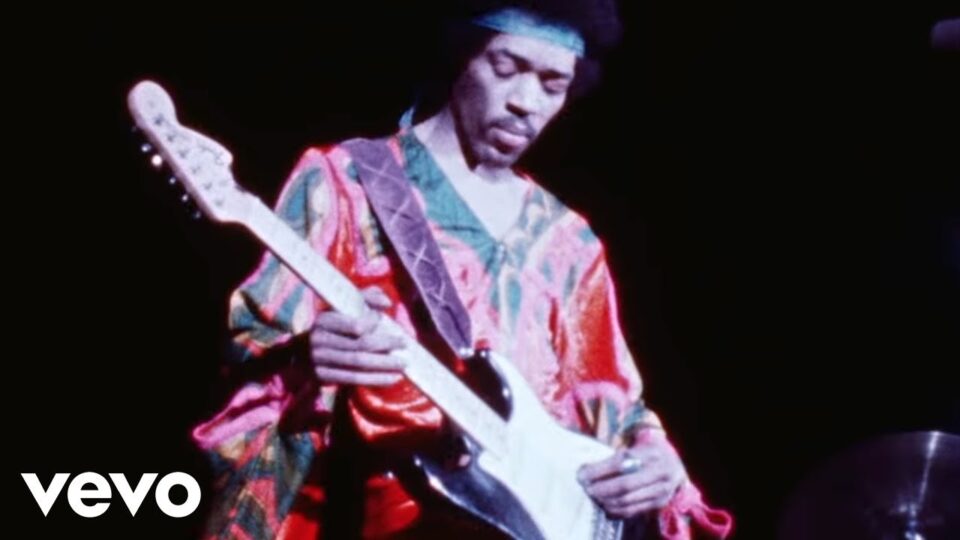
The live performance of "Purple Haze" by The Jimi Hendrix Experience at the Atlanta Pop Festival in 1970 stands as a quintessential moment in rock…
Directed by Mick Rock
Life on Mars? is a song by David Bowie from his album "Hunky Dory," released in 1971. The song features glam rock elements and surreal…
Directed by Mick Rock
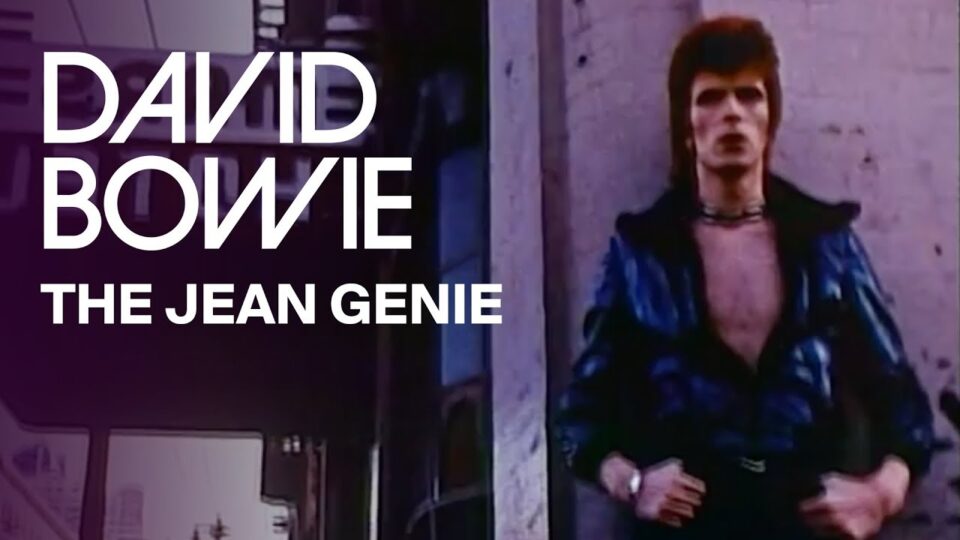
The Jean Genie, released in 1972 as the lead single from Aladdin Sane, is a gritty glam rock track that blends Bowie's fascination with American…
Cerrone's "Supernature," released in December 1977, is a pioneering disco track that blends electronic elements with a compelling narrative. Featured on the album *Supernature (Cerrone…
Explore 1970s music videos on AltSounds.TV, a human-curated channel for watching classic videos, live performances, archive clips, deep cuts and genre-spanning visuals from a decade that helped shape modern music culture. The 1970s music video channel currently features 193 videos spanning 1970-1980, including videos connected to artists such as Queen, The Clash, Live, David Bowie, Jim Croce, Fleetwood Mac, Led Zeppelin, Elton John, The Rolling Stones and Paul McCartney.
This page is designed for anyone looking for the best 1970s music videos, official 70s music videos, classic rock videos, disco videos, punk videos, funk videos, soul videos, country videos, reggae videos and live archive performances from the decade. Instead of relying only on search engines, autoplay or disconnected video results, AltSounds.TV organises music videos by decade, artist, genre and related channel.
The 1970s were different from later music video decades because the format had not yet become the mainstream television-led system associated with the 1980s. Many important videos from this period are live performances, promotional films, television appearances, archive footage or later official video presentations of songs from the decade. That makes the 1970s archive especially useful as a visual record of how artists, bands and genres appeared on screen before the full music video era took shape.
The 1970s channel brings together videos from across classic rock, progressive rock, glam rock, punk, disco, funk, soul, R&B, country, folk, reggae, blues rock, singer-songwriter music and early alternative sounds. It includes official music videos, live footage, television performances, archive clips and classic songs that continue to define how the decade is remembered.
The page is organised as a decade channel, which means viewers can explore music videos connected to the 1970s without needing to search artist by artist. You can start with the full 1970s music videos channel, then move into wider discovery routes such as All Genres, Time Travel, Rock, Pop, Dance, R&B, Punk, Country and Alternative.
The 1970s page also sits between the 1960s music videos archive and the 1980s music videos channel, making it useful for comparing the promotional film and performance-led era with the music television explosion that followed.
The 1970s were a foundation decade for music on screen. The music video had not yet become the dominant promotional format it would become in the 1980s, but artists were already using film, television, performance clips and promotional visuals to extend the life of a song beyond the record. These early visual formats helped prepare the ground for the music video culture that followed.
The decade also produced a wide spread of visual styles. Classic rock and progressive rock often relied on live performance, stage presence and concert footage. Disco and funk used movement, rhythm, styling and dancefloor energy. Punk videos and live clips captured speed, attitude and directness. Country and folk performances leaned into storytelling, character and songcraft. Reggae, soul and R&B videos brought different performance traditions, political contexts and rhythmic languages into the archive.
That variety makes the 1970s channel more than a nostalgia page. It is a useful way to see how artists presented themselves before music videos became a standard industry format, and how many of the visual ideas associated with later decades were already developing through performance, fashion, staging, lighting and editing.
The 1970s channel includes artist pathways that make it easier to move from a decade view into a specific catalogue. These artist channels help connect individual videos to wider bodies of work.
The Queen music video channel includes 15 videos from 1970-1991. On AltSounds.TV, Queen are connected to progressive rock, glam rock, hard rock, classic rock, pop, arena rock and experimental categories. Their channel is a useful route into the point where rock performance, theatricality and early music video language began to overlap.
The The Clash music video channel includes 8 videos from 1977-2017. The band is connected to punk rock, new wave, ska, reggae, punk, alternative, pop and rock categories. Their channel is useful for exploring the late-1970s punk and post-punk side of the archive.
The Led Zeppelin music video channel provides a route into the classic rock, hard rock and progressive rock side of the 1970s archive. The band’s 1970s entries include live performance material, which is especially important for understanding how rock groups used stage presence, improvisation and concert footage as visual identity before the music video became standardised.
The Elton John music video channel connects the 1970s archive to pop, rock, singer-songwriter and piano-led performance traditions. His catalogue is useful for exploring how major solo artists from the decade built visual recognition through performance, personality, styling and songcraft.
The visible artist pathways on the 1970s channel also include David Bowie, Fleetwood Mac, The Rolling Stones and Paul McCartney. These artists point to several major areas of 1970s music culture, including glam rock, classic rock, pop rock, singer-songwriter music, studio-era ambition and live performance.
The full 1970s channel includes 193 videos. These selected examples provide a useful starting point for exploring the range of the archive.
Gloria Gaynor - I Will Survive is listed on AltSounds.TV as a 1978 video connected to bass, dance, disco, funk and pop categories. It represents the disco side of the 1970s archive and remains one of the decade’s most recognisable songs.
Led Zeppelin - Stairway To Heaven (Live at Earls Court 1975) is listed as a 1975 video connected to classic rock, progressive rock and rock. It is a useful example of how live performance footage forms a major part of the 1970s visual archive.
The Doors - Riders On The Storm is listed in the 1970s archive and connects to acid rock, blues rock and classic rock categories. It represents the more atmospheric and psychedelic side of early 1970s rock.
WAR - Low Rider is listed in the 1970s archive and connects to the decade’s funk and groove-led visual culture. It is a useful entry point for viewers exploring 1970s music videos beyond classic rock and pop.
Loretta Lynn - Coal Miner’s Daughter is listed as a 1970 video connected to Americana, singer-songwriter and traditional country categories. It represents the country storytelling side of the 1970s archive.
Iggy Pop - The Passenger is listed in the 1970s archive and connects to alternative and alternative rock categories. It is a useful route into the rawer, more art-damaged side of 1970s rock culture.
Ramones - Blitzkrieg Bop is listed in the 1970s archive and connects to punk and rock. It is one of the clearest starting points for viewers exploring the punk side of the decade.
The Pretenders - Brass in Pocket is listed as a 1979 video connected to pop. It sits at the edge of the 1970s and early 1980s, making it useful for understanding the shift from late-1970s new wave and rock into the coming music video decade.
Classic rock and progressive rock are central to the 1970s archive. The decade included major bands, ambitious albums, longer songs, live performance films and concert footage that helped define how rock music looked on screen before the 1980s music video boom.
Many 1970s rock videos and archive clips place emphasis on musicianship, stage presence and performance rather than narrative concepts or high-budget visual effects. That gives this part of the archive a different feel from later rock video eras. The camera often documents the band, the song and the live moment rather than building a separate visual story around the track.
Useful routes into this part of the archive include the Rock music video channel, Queen, Led Zeppelin, Led Zeppelin - Stairway To Heaven (Live at Earls Court 1975) and The Doors - Riders On The Storm.
Disco, funk and dance music were major forces in the 1970s. Videos and performance clips from this area often highlight rhythm, movement, basslines, group performance, club energy, styling and dancefloor culture. They show how the decade used visual performance to communicate physical release and communal energy.
The 1970s dance and disco archive is important because these styles influenced later pop, R&B, electronic music, house and club culture. The visual language of disco and funk also helped establish many of the performance conventions that would become common in later music videos.
The Dance music video channel and R&B music video channel provide wider routes into this area. Useful starting points include Gloria Gaynor - I Will Survive and WAR - Low Rider.
Punk was one of the defining cultural shifts of the late 1970s. Compared with the polish and scale of major rock acts, punk visuals often felt faster, rougher and more direct. Performance, attitude, speed, minimalism, confrontation and scene identity mattered more than expensive production.
The punk and proto-punk side of the 1970s archive is useful because it shows a different kind of visual energy. These videos and clips often reject the idea of spectacle and instead focus on urgency, volume and presence. That approach would strongly influence later alternative, indie, hardcore and punk music videos.
Useful routes into this part of the archive include the Punk music video channel, The Clash, Ramones - Blitzkrieg Bop and Iggy Pop - The Passenger.
The 1970s archive also includes folk, country, Americana and singer-songwriter videos. These clips often place more emphasis on lyrics, character, setting, emotional clarity and direct performance. They provide a useful contrast to the decade’s rock, disco and punk footage.
Country and folk videos from this period often work as visual extensions of storytelling. The focus is usually on the song, the performer and the emotional context rather than high-concept visual production. That makes this part of the archive useful for viewers interested in the relationship between songwriting and screen performance.
The Country music video channel provides a deeper genre-led route. A useful starting point from the 1970s page is Loretta Lynn - Coal Miner’s Daughter.
Reggae, soul and R&B are also part of the 1970s music video landscape. These genres brought different performance traditions, rhythmic structures, vocal styles and cultural contexts into the decade. In many cases, the available visual material is built around performance footage, television appearances or later official archive presentation.
This part of the archive helps show that the 1970s were not only a rock decade. Soul, funk, reggae, R&B and dance music all shaped the way the decade sounded and looked, and their influence can be traced through later pop, hip-hop, electronic and club music videos.
For wider genre discovery, use the R&B music video channel, Dance music video channel and All Genres.
Pop videos in the 1970s were often shaped by television performance, promotional films, live appearances and artist image. The fully developed pop video format had not yet become the industry standard, but many of the ingredients were already visible: styling, staging, close-up performance, choreography, storytelling and memorable visual identity.
This makes the 1970s pop archive useful as a bridge between earlier televised music performance and the 1980s music video era. The decade shows how artists were beginning to think visually, even before music videos became the default promotional format.
The Pop music video channel provides a wider route into this side of the archive, while the 1980s music videos channel shows how many of these ideas developed into a larger music video culture.
The easiest way to start is with the full 1970s music video channel. From there, viewers can move into individual artist channels, related genres, other decade pages or the wider AltSounds.TV discovery system.
For genre-led browsing, use All Genres. For decade-led browsing, use Time Travel. To compare the 1970s with surrounding eras, explore the 1960s music videos archive or continue forward into the 1980s music videos channel.
This structure makes the page more useful than a simple list. A viewer can start with one video, follow the artist, explore the genre, move across the decade, or compare the same style with older and newer periods of music video history.
AltSounds.TV is built for watching and browsing curated music video channels. AltSounds.com supports the wider archive as the AltSounds Music Video Database, with individual music video entries, archive pages and additional discovery routes.
Together, the two sites are designed to make music videos easier to watch, organise, research and rediscover. AltSounds.TV focuses on channel-based discovery, while AltSounds.com supports the broader database mission of documenting music videos across artists, genres, directors, countries and eras.
AltSounds.TV gives 1970s music video discovery a clearer structure. Instead of searching through disconnected uploads or relying only on recommendation feeds, the 1970s channel gives viewers a decade-based way to explore videos, performances and related archive entries.
The 1970s music video channel is the main AltSounds.TV decade page for browsing videos connected to the 1970s. It includes official videos, live performances, television clips, archive footage, classics and deeper catalogue entries from across the period.
The 1970s channel currently lists 193 videos spanning 1970-1980.
Yes. You can browse related genre channels including Rock, Pop, Dance, R&B, Punk, Country, Alternative and All Genres.
Visible artist pathways from the 1970s channel include Queen, The Clash, Live, David Bowie, Jim Croce, Fleetwood Mac, Led Zeppelin, Elton John, The Rolling Stones and Paul McCartney. Verified linked artist channels in this page include Queen, The Clash, Led Zeppelin and Elton John.
Yes. Use Time Travel to browse decade channels, including the 2020s, 2010s, 2000s, 1990s, 1980s and 1960s.
No. This is a 1970s music video archive. The focus is on videos, live performances, archive clips, artist channels, genre pathways and the visual presentation of music during the decade, rather than a simple list of songs.